
CALL FOR POETRY SUBMISSIONS FROM NEW, EMERGING, AND EXPERIENCED POETS
PURPOSE:
The Seattle Civic Poet, in partnership with the Office of Arts & Culture, seeks poetry from new, emerging, and experienced poets for the Women and Whales First, Poetry in a Climate of Change collection. The Women and Whales cohort is a group of seven Black, Indigenous Women of Color-identifying poets examining the interconnections of health and sustainability for women, whales, and our waterways. Up to 14 selected poems will be presented along with the work of the cohort at a public reading on April 24th, 2021. We will be seeking to publish the collection either in print and/or digitally.
Women & Whales First, Poetry in a Climate of Change is a multi-event project of 2019-21 Civic Poet Jourdan Imani Keith. The project seeks to center the experiences of Black Indigenous Women of Color and explore, through art, the impact of our choices on the environment we all share.
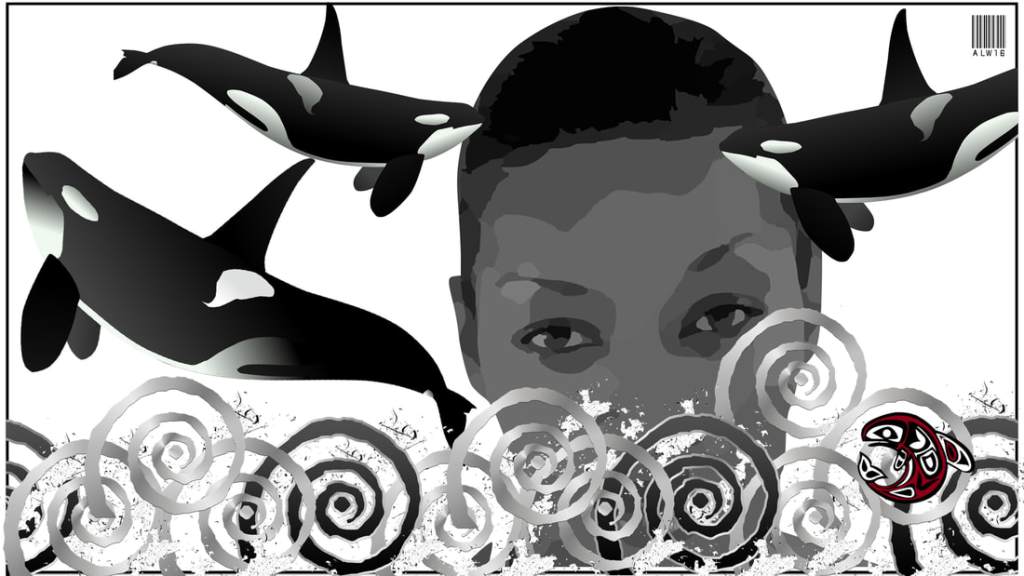
Keith says, “As Black Indigenous Women of Color in Seattle, we share the urban wilderness of the Salish Sea with the endangered Killer Whales. Our bodies face the same cumulative risks of environmental toxins and the harms of objectification, yet we both survive and are revived by the cumulative benefits of matrilineal wisdom, tradition and community. Our brilliance and wellness is entwined with the need for healthy and protected social and natural ecosystems.”
ELIGIBILITY:
Black, Indigenous, Women of Color of all ages are strongly encouraged to apply. We welcome submissions, city-wide, from anyone who lives in a neighborhood of Seattle.
REQUIREMENTS FOR SUBMISSION:
Poems must be in the form of a Pantoum and explore the interconnectedness of the health of women, our water, and our whales.
All submissions must be unpublished. Authors retain all rights.
Please submit one poem in standard manuscript format. (Single spaced)
WHAT IS A PANTOUM?
The pantoum form originated in Malaysia in the 15th century. A pantoum can be any length, but it is composed of at least two 4-line stanzas or verses, in which the second and fourth lines serve as the first and third line of the next stanza. The last line of a pantoum is often the same as the first.
Here’s an example: Pantoum of the Great Depression
Writing tip: Write your first stanza and make it strong. The rest follows more easily as you copy line 2 & 4 into the next stanza. Then you continue to copy and fill in the blanks. You build up that way, hop-scotching your way through the poem. When you finish, don’t be afraid to move lines around.
For a brief, free workshop on pantoum’s with Jourdan Imani Keith watch this video:
SUBMIT PANTOUMS HERE
DEADLINE: April 11, 2021 at 11:59 pm.
NOTIFICATION: Early April.
PUBLIC EVENT: April 24th, 2021.
The event will be a virtual reading between the cohort and the selected community poets.
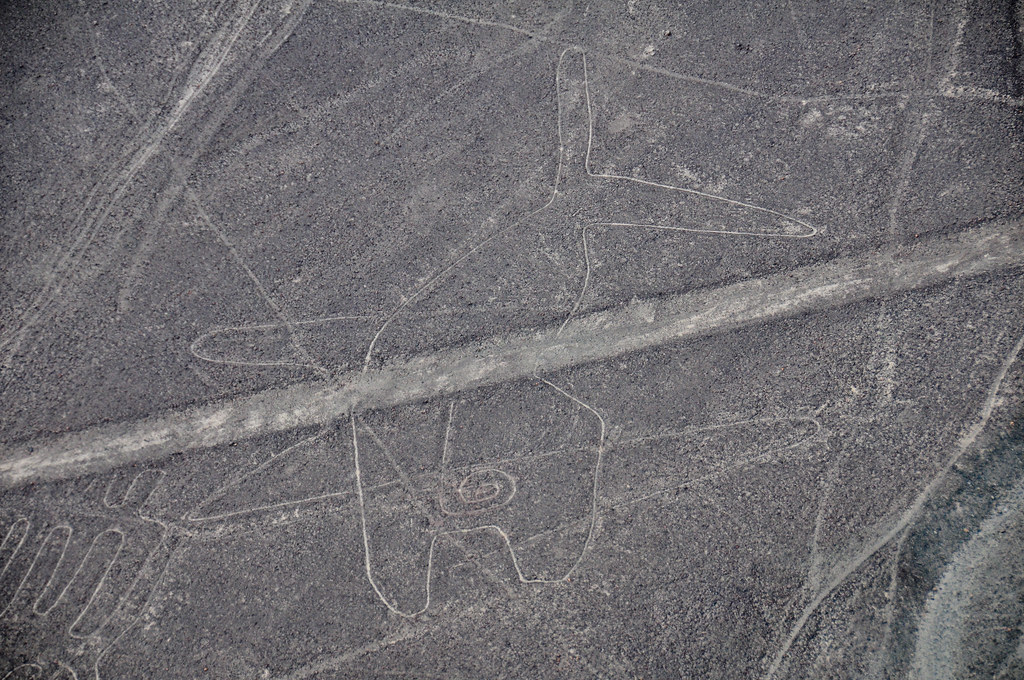
“The Nazca Lines” by nwhitford is licensed under CC BY 2.0
 URBAN WILDERNESS PROJECT™